Which of the Following Correctly Describes the Viral Assembly Process
The newly emerging virus will die out rather quickly or will mutate to be far less lethal. B Assembly proteins coded for by the host genome mediate assembly of viral components.
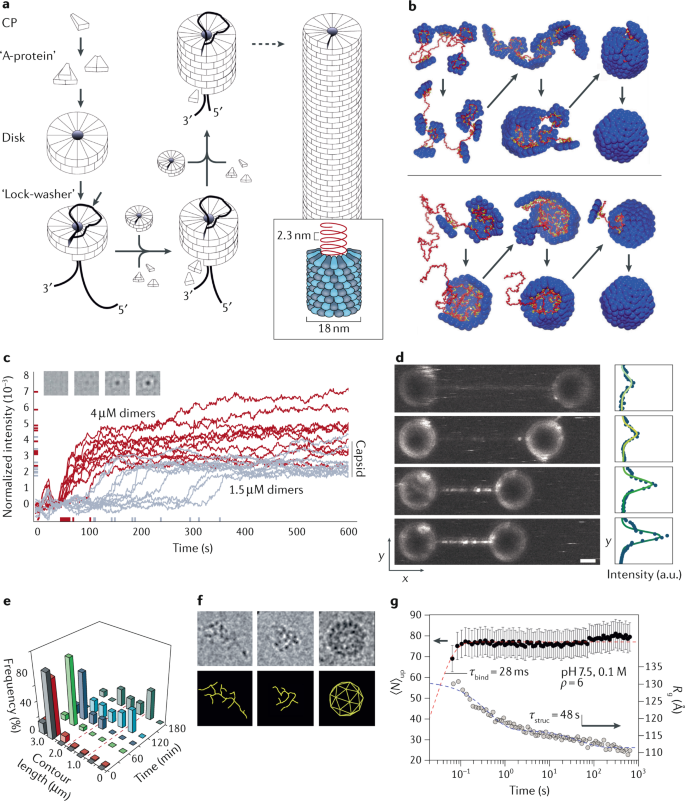
Physics Of Viral Dynamics Nature Reviews Physics
The conformational change induced by triggers eg acidic pH and receptor binding results in anchoring the fusion peptide in the cell membrane B forcing the viral.
. Budding viruses figures 3 and 4 do not necessarily kill the cell. B They can use the host cell to copy themselves and make viral proteins. DNA virus assembled in nucleus except Poxvirus and RNA viruses assembled in cytoplasm except Influenza virus and Reo virus.
They can use the host cell machinery to make copies of viral genomes and viral proteins. The host DNA is changed. Following transmission HPV enters host cells and integrates into the host genome eventually causing the cells to synthesize the viral protein E6.
A Host cell chaperone proteins mediate assembly of viral components. It then hijacks the host cell to replicate transcribe and translate the necessary viral components capsomeres sheath base plates tail fibers and viral enzymes for the assembly of new viruses. None of the choices are correct.
Thus some budding viruses may be able to set up persistent infections. Is obtained by viral budding or exocytosis. To understand each stage in the HIV life cycle it helps to first imagine what HIV looks like.
2 The core dissolves and the RNA chromosomes are copiedreplaced to make double-stranded DNA 3 The viral DNA integrates in a host chromosome 5. 32 Key Steps of the Viral Replication Cycle 1. Lysogeny is best described as.
Lysis of the host cell. Polymerase genes are usually expressed early in the cycle while capsid and tail proteins are expressed later. There may be a maturation step that follows the initial assembly process.
They can manufacture their own ATP proteins and nucleic acids. The virus must be able to attach to. What are two mechanisms are found to result in cancer caused by a virus.
Not all released viral particles are infectious. This viral envelope is obtained by the viruses by the process of budding viral envelope is obtained by forming an outgrowth called as bud or exocytosis exocytosis is a. The fusion process between viral and cellular membranes.
Assembly proteins coded for by the viral genome mediate assembly of viral components. Viruses can carry out which of the following processes. Viral proteins caused changes in growth regulation leading to cancer.
When critical number of various viral components have been synthesized they assembled into mature virus. Now follow each stage in the HIV life cycle as HIV attacks a CD4 cell and uses the machinery of. They can replicate while within a host cell as well as when they are between host cells.
Integration of the viral genome into host chromosome. Naked virions usually just replicate themselves until there are so many that the cell explodes. After entering the host cell the virus synthesizes virus-encoded endonucleases to degrade the bacterial chromosome.
The next step of virus replication virus escape depends on whether the virus has an envelope or not. There are some viruses that have a protective outer covering which is called as viral envelope. Virus assembly occurs through capsid proteins forming a scaffold for the virus genome to enter.
The seven stages of the HIV life cycle are. 1 binding 2 fusion 3 reverse transcription 4 integration 5 replication 6 assembly and 7 budding. After entering the host cell the virus synthesizes virus-encoded endonucleases to degrade the bacterial chromosome.
Attachment Adsorption The fi rst step in the life cycle of a virus is attachment. C They can use the host cell to copy themselves and then synthesize their own proteins inside the viral capsid. Release Virus may be released due to cell lysis or if enveloped may bud from the cell.
The cellular process known as the sodium-potassium pump was discovered in the 1950s by Jens Christian Skou a Danish scientist. The fusion peptide yellow is buried inside the fusion protein which is in an energetically unfavorable metastable prefusion state A. The HIV virion attaches 1 The vision fuses to the membrane and releases its core in the cytoplasm.
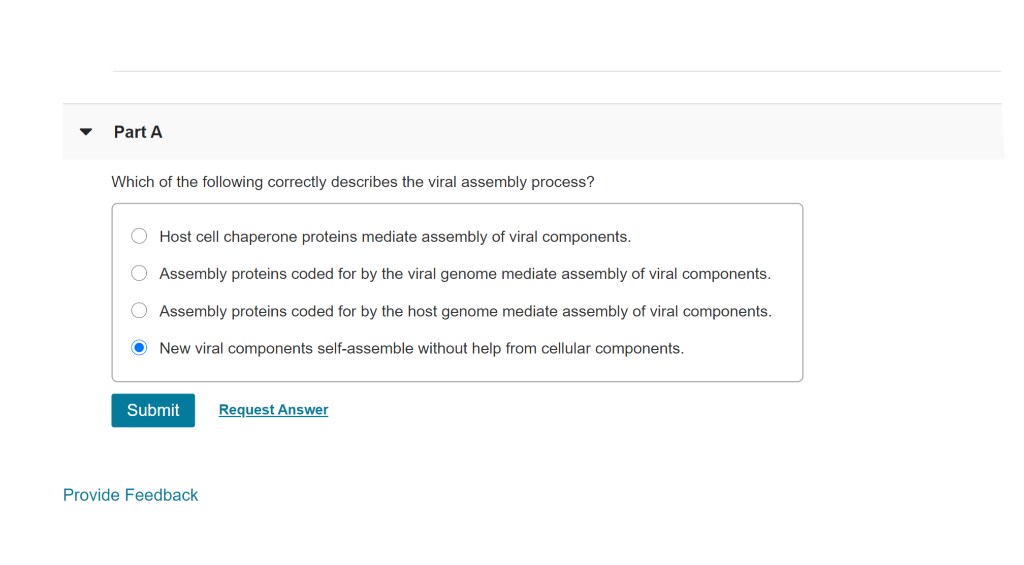
Which of the following correctly describes the viral assembly process. Host cell chaperone proteins mediate assembly of viral components. Which of the following processes can viruses carry out.
Assembly proteins coded for by the host genome mediate assembly of viral components. Part A Which of the following correctly describes the viral assembly process. This process is a form of active transport that moves three sodium ions to the outside of a cell for every two potassium ions that it moves into the cell.
It then hijacks the host cell to replicate transcribe and translate the necessary viral components capsomeres sheath base plates tail fibers and viral enzymes for the assembly of new viruses. It is able to spread to a large number of new hosts quickly because the new hosts have no immunological memory of them. A mass of viruses or damaged organelles due to the cytoplasmic effect of viral infection.
Only bovine papillomaviruses BPVs 1 and 2 are known to infect mesenchymal tissues and to show cross-species transmission. The new virus replicates quickly and undergoes rapid adaptation to a series of divergent hosts. A They can manufacture their own ATP proteins and nucleic acids.
Which of the following describes a process that involves viral replications and assembly within a host followed by bursting the host cell wall. The assembly occurs in nucleus or cytoplasm of host cell depending upon types of virus. It then hijacks the host cell to replicate transcribe and translate the necessary viral components capsomeres sheath base plates tail fibers and viral enzymes for the assembly of new viruses.
Detail as these key steps of viral replication are dissected in the following section. Human papillomavirus HPV is a viral infection that is transmitted mainly through skin-to-skin contact. Some laboratory animals can propagate viruses in the laboratory more readily than others bc many viruses exhibit host ____.
Papillomaviruses are small non-enveloped epitheliotropic double-stranded DNA viruses that infect mucosal and cutaneous epithelia in a wide variety of higher vertebrates in a species-specific manner and induce cellular proliferation. Fragmentation of the host chromosome. C Assembly proteins coded for by the viral genome mediate assembly of viral components.
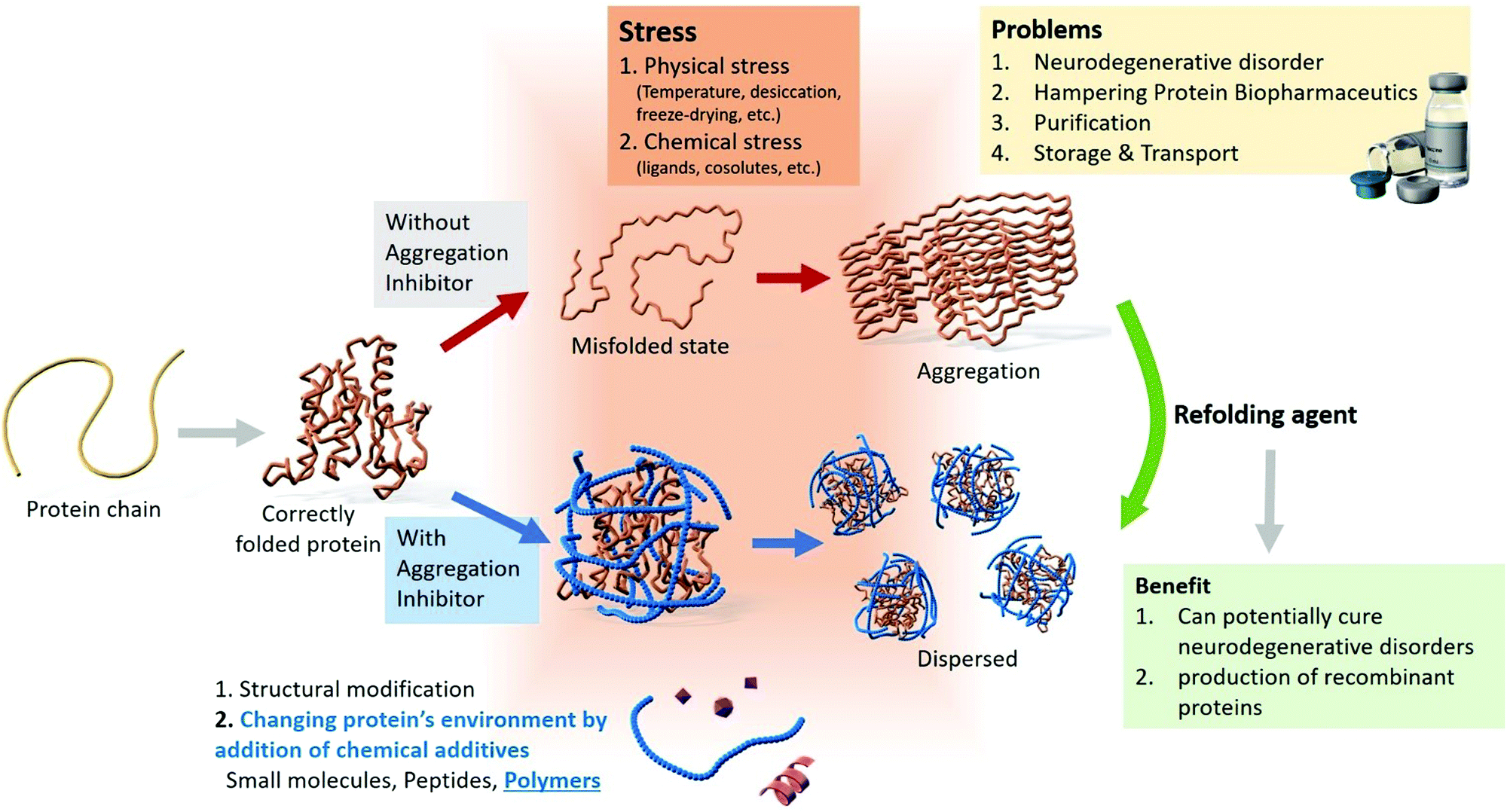
Review Of The Current State Of Protein Aggregation Inhibition From A Materials Chemistry Perspective Special Focus On Polymeric Materials Materials Advances Rsc Publishing Doi 10 1039 D0ma00760a
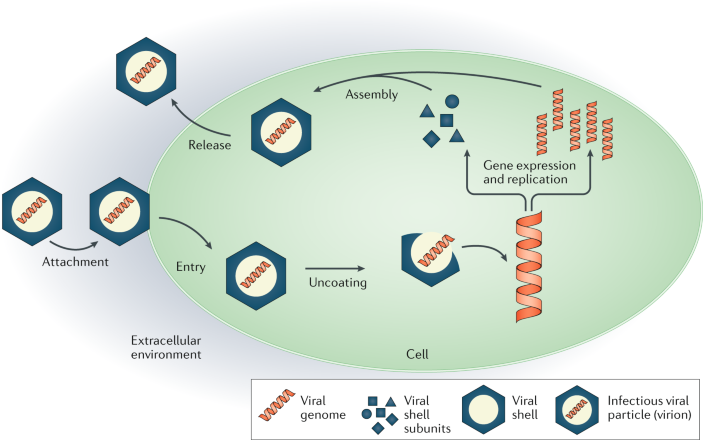
Physics Of Viral Dynamics Nature Reviews Physics
Solved Part A Which Of The Following Correctly Describes The Chegg Com

Adenoviral Vectors He 2004 Current Protocols In Human Genetics Wiley Online Library
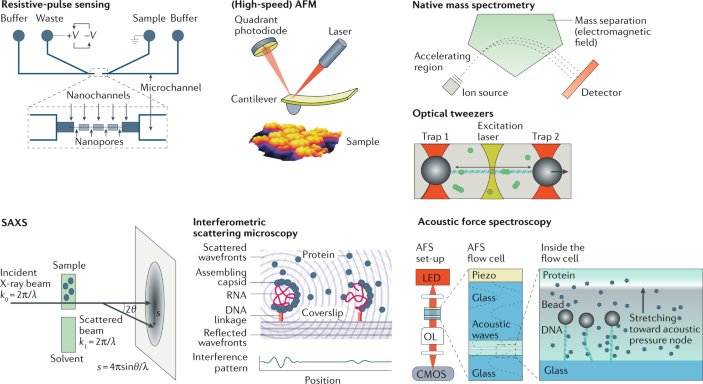
Physics Of Viral Dynamics Nature Reviews Physics

The Viral Life Cycle Microbiology

The Viral Life Cycle Microbiology

Lytic Vs Lysogenic Understanding Bacteriophage Life Cycles Technology Networks
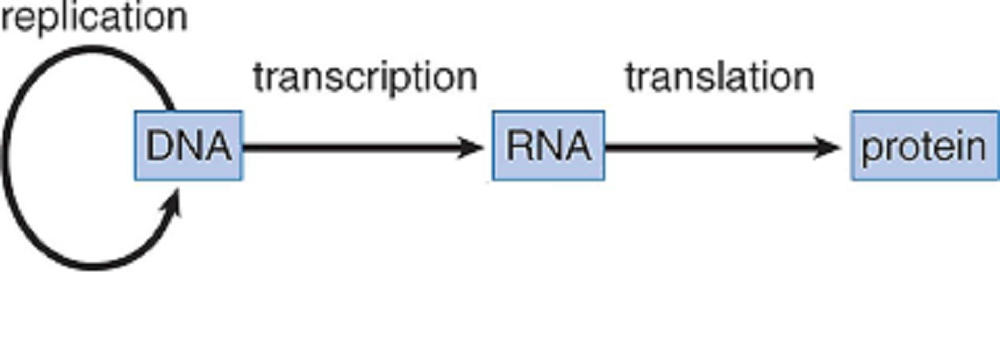
Challenge 3 Molecular Hijacking How Does A Virus Take Over Cov Ed

The Viral Life Cycle Microbiology

Uncovering Viral Rna Host Cell Interactions On A Proteome Wide Scale Trends In Biochemical Sciences

21 2a Steps Of Virus Infections Biology Libretexts

Virus Infections And Hosts Boundless Biology

Uncovering Viral Rna Host Cell Interactions On A Proteome Wide Scale Trends In Biochemical Sciences

Uncovering Viral Rna Host Cell Interactions On A Proteome Wide Scale Trends In Biochemical Sciences

Viral Protein Synthesis An Overview Sciencedirect Topics

The Viral Life Cycle Microbiology
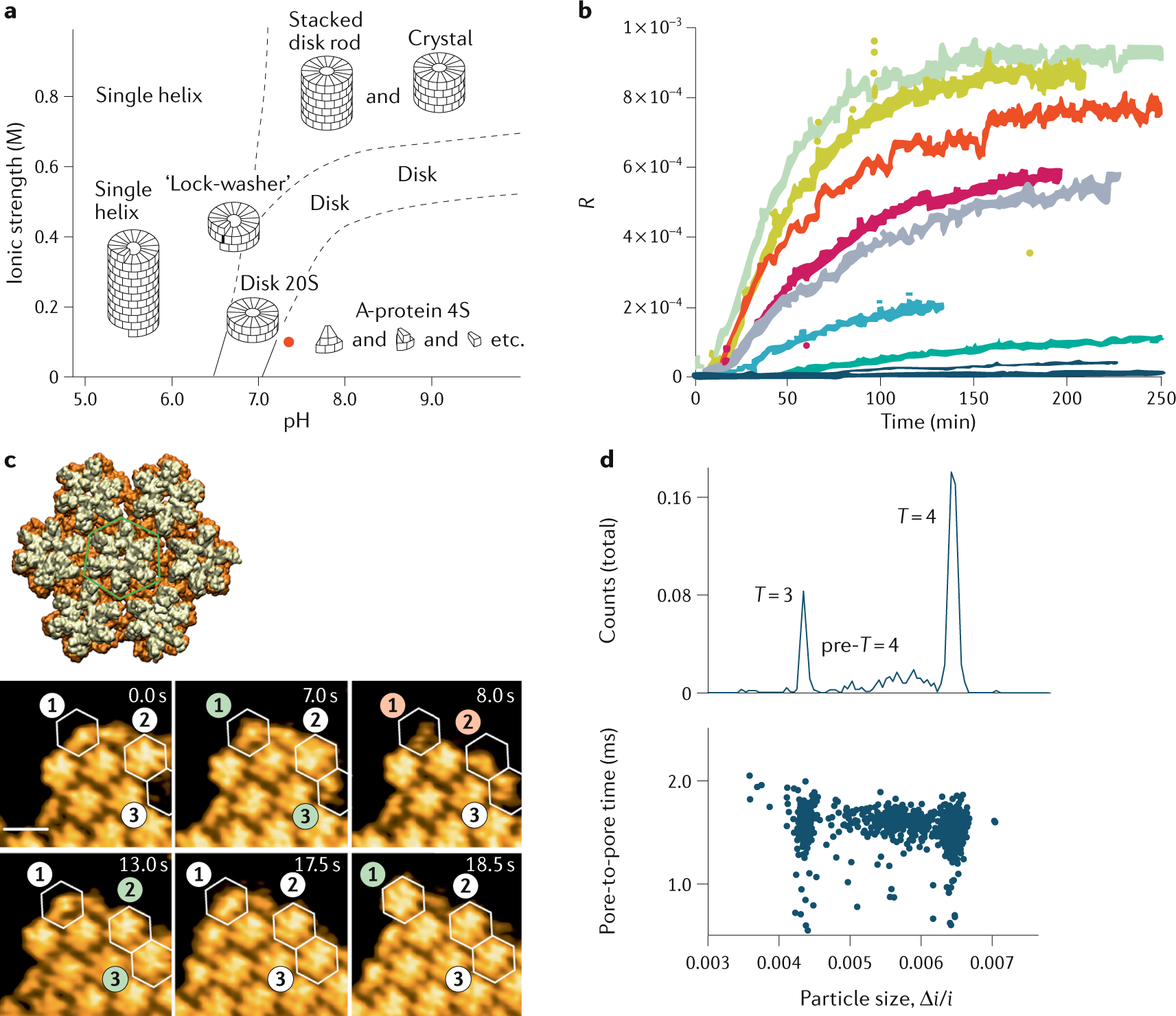
Physics Of Viral Dynamics Nature Reviews Physics
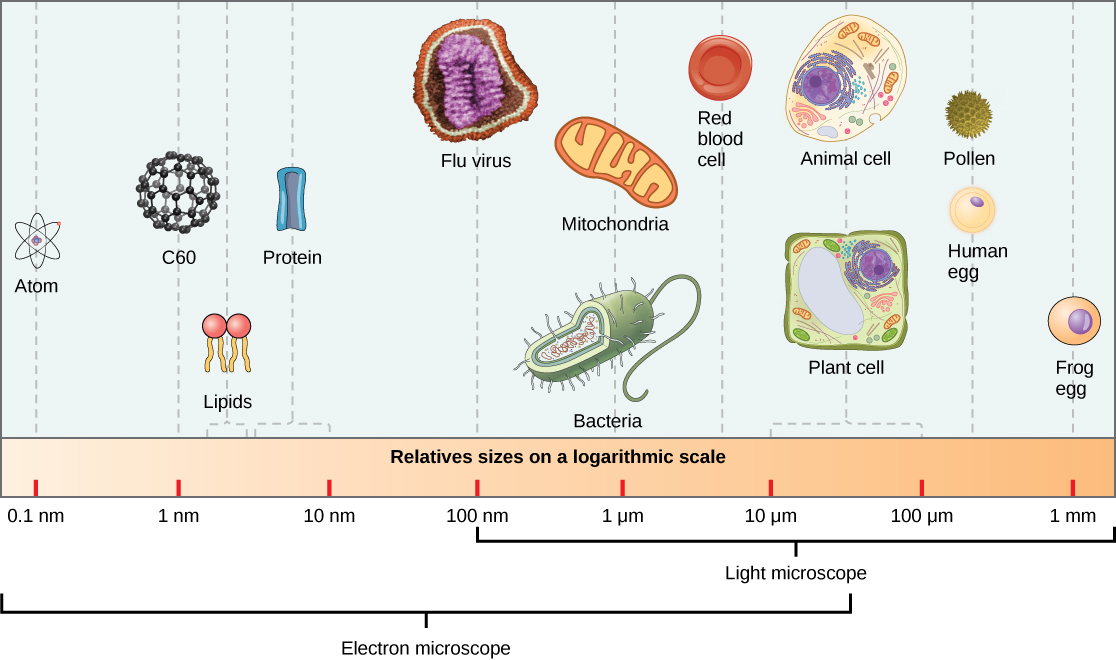
12 1 Viruses Concepts Of Biology 1st Canadian Edition


Comments
Post a Comment